Local Services Ads vs Google Ads: how to choose.
They are different products that buy different things. The decision turns on where the click lands, and on whether your site is good enough to deserve one yet.
John "Holliday" Mahlow
Founder, Cursive Media
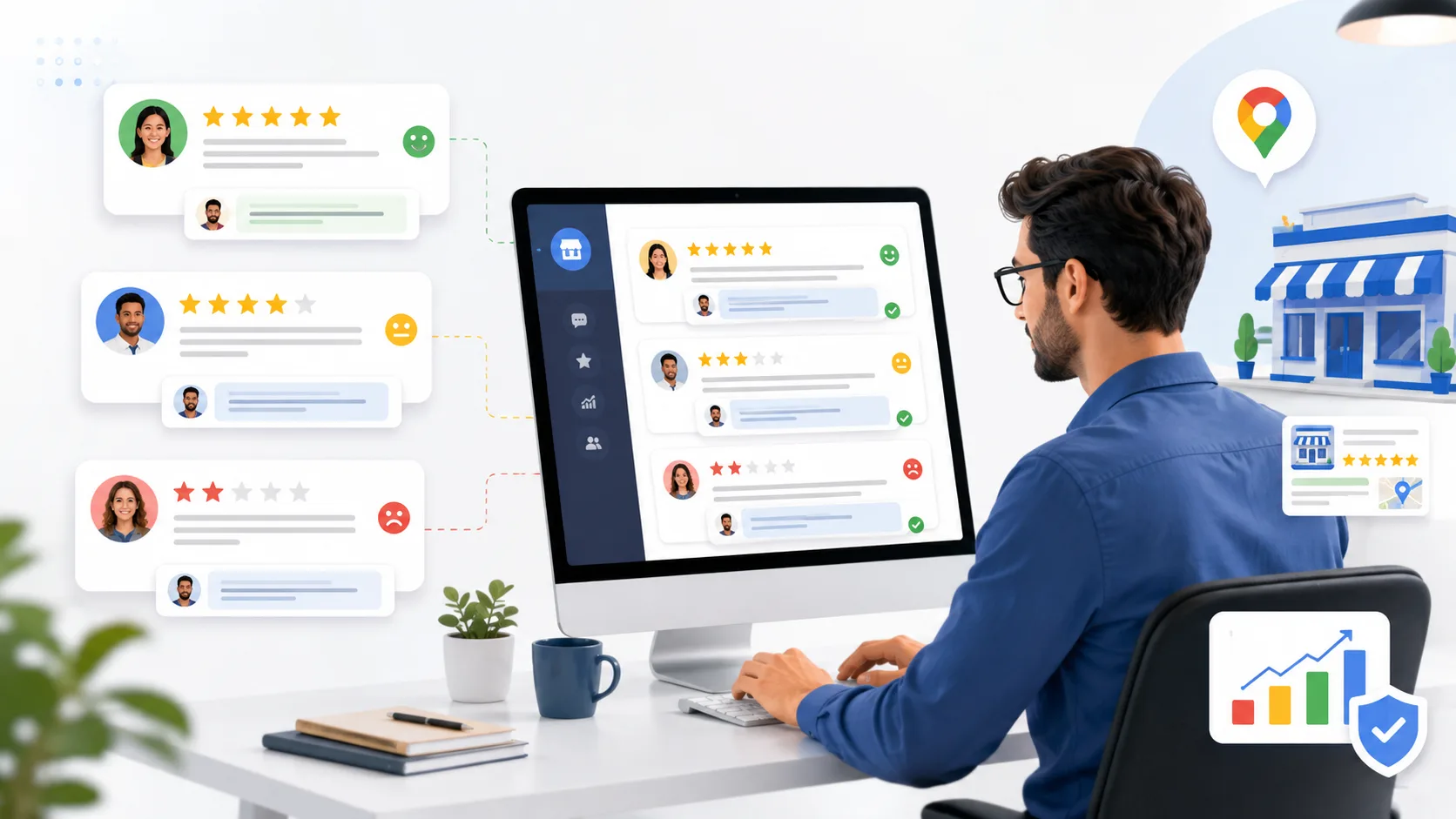
Somebody told you to run Google Ads. There are two different products in that sentence, they sell different things, and picking the wrong one first is how a business concludes that advertising does not work for them.
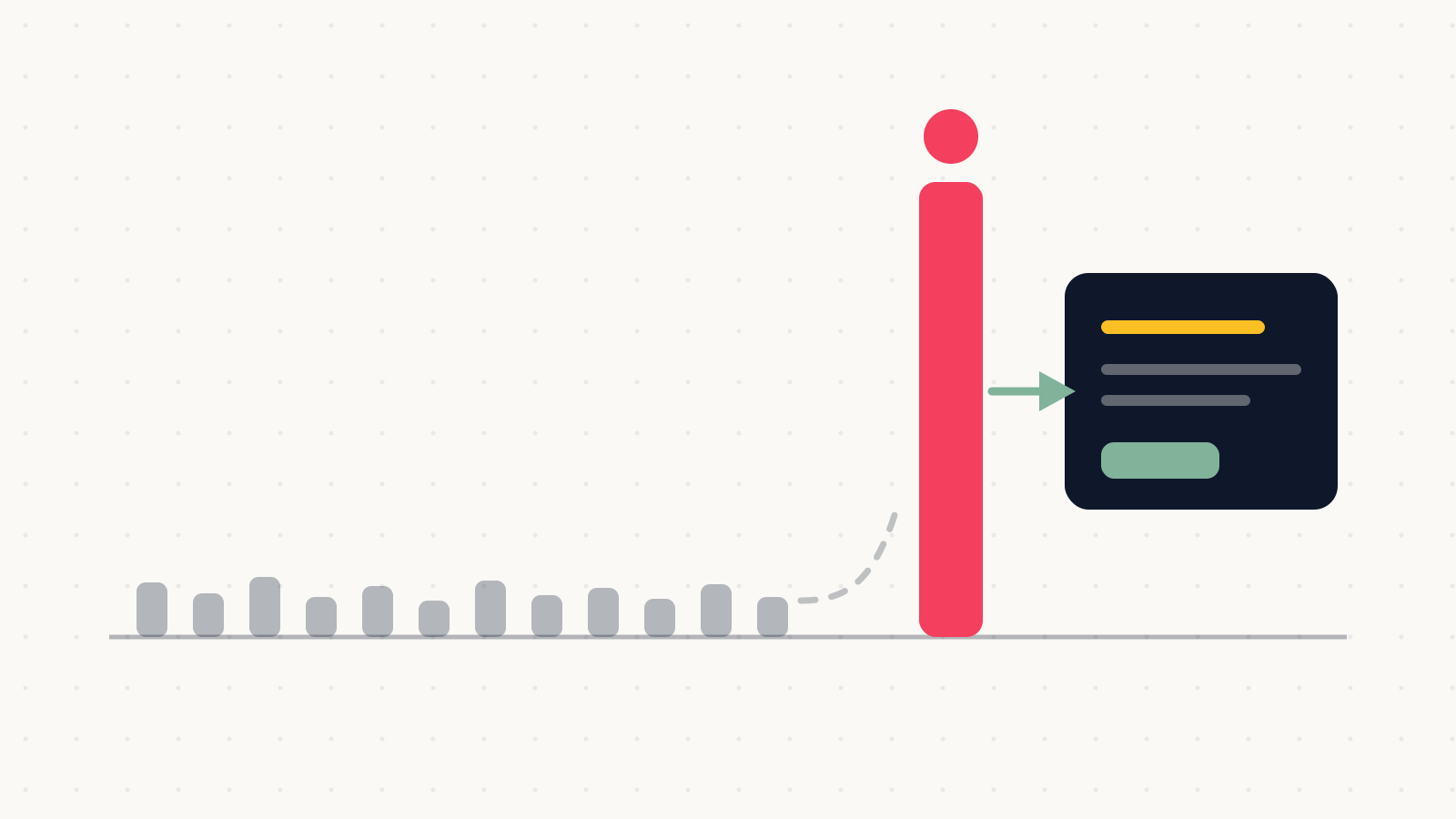
One buys a click. The other buys a lead.
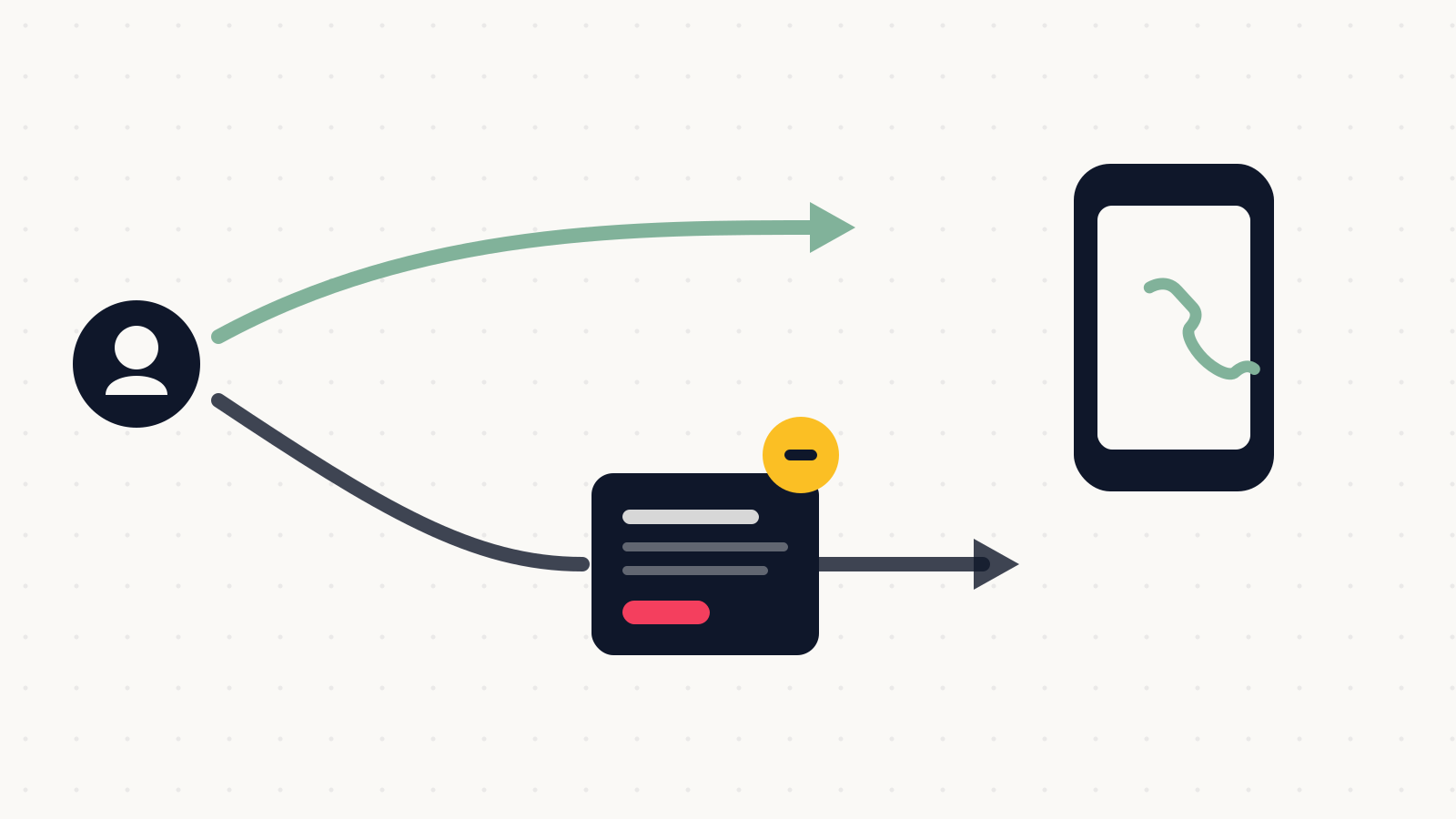
With Local Services Ads you pay for leads related to your business and the services you offer. The billable event is contact. Somebody taps and your phone rings, and your website is nowhere in that sequence.
With Search ads you pay for the click. What you bought is a visitor on a page, and everything after that is your problem.
That difference sounds like billing trivia and it decides the whole strategy.
Your website is inside the price of one of them
This is the part that rarely makes it into the pitch. In Google Ads, position and cost are set by Ad Rank, which Google says is determined by your bid amount, the quality of your ads and landing page, Ad Rank thresholds, the competitiveness of the auction, the context of the search, and the expected impact of assets.
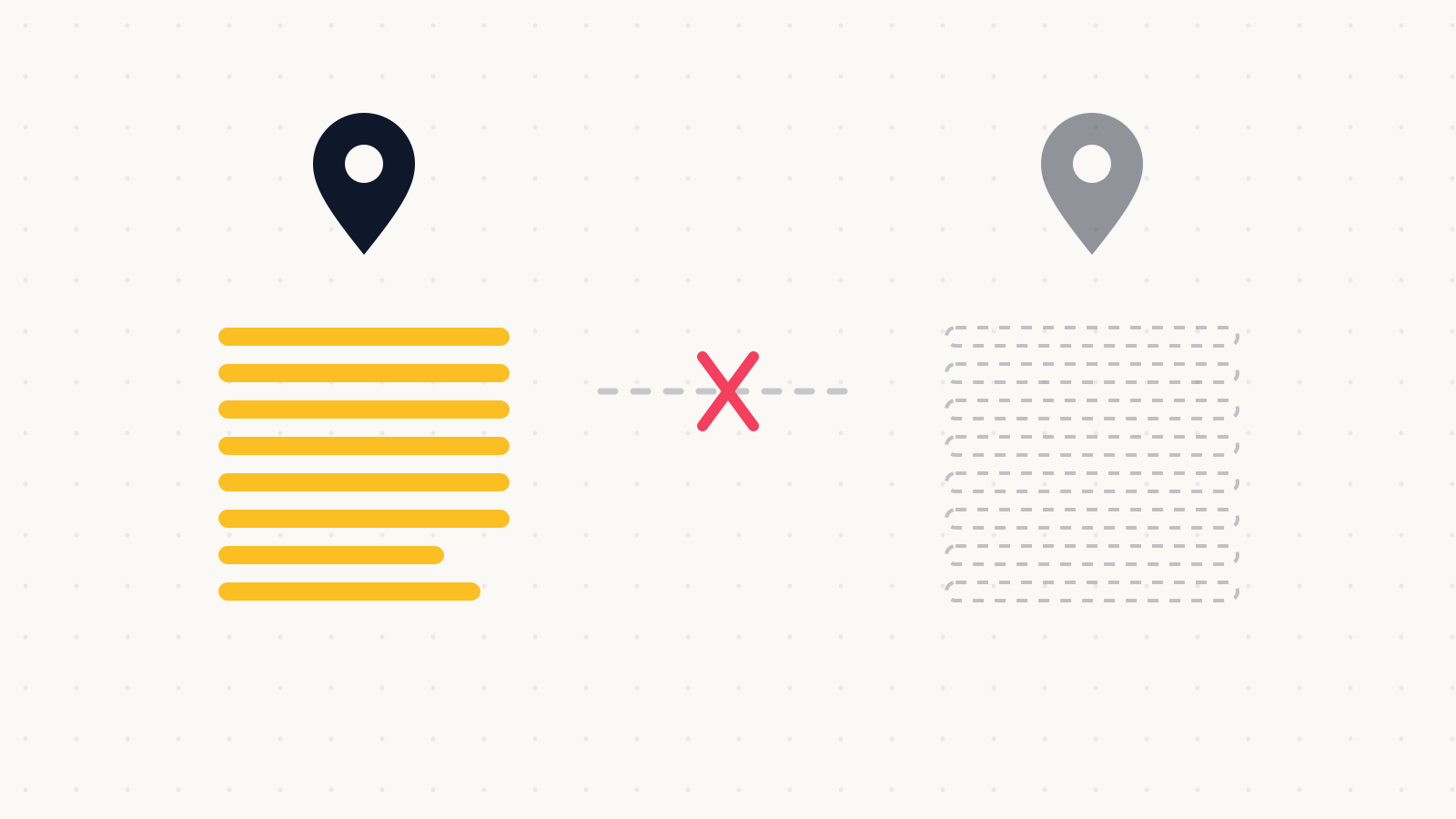
Read the second item again. Your landing page is an input to what you pay.
Google states it plainly: even if a competitor bids higher than you, you can still win a higher position at a lower price with high-quality ads and landing pages. Which means the reverse is also true, and that is where businesses get hurt. A slow, thin, unconvincing page costs you twice, once through a worse auction outcome and again through the visitors who arrive and leave. Two penalties, one cause, and neither appears on the invoice as "your website".
Local Services Ads sidestep that entirely, because there is no landing page in the transaction. For a contractor whose site is a five-year-old brochure, that is not a small advantage.
You might not be allowed to run LSA
The other half of the decision is that one of these options is gated and the other is not. Anyone can open a Google Ads account this afternoon.
Local Services Ads require you to qualify. Google says screening varies by type of service and by country, and may include license, insurance, and background checks. Getting the verification badge means supplying business license or registration documents, having customer reviews depending on your category, and completing billing setup, with professional verticals also asked for headshots and background verification. Availability differs by country, and some features are narrower still: the ability to message leads is currently only available in the US and Canada.
Ads can run before the badge is granted, though verified profiles get preferential placement, so a half-finished onboarding is worth finishing. And if your trade or your area is not covered, the decision has been made for you.
How to actually choose
If you are a licensed trade, eligible in your area, and your website is weak or nonexistent, start with Local Services Ads. You are buying calls without needing to fix anything first, and the reviews that gate the badge are work you should be doing regardless.
If you are not eligible, or you need control over exactly which services and phrases you appear for, or you sell something that needs explaining before anyone rings, Search ads are the right tool. Go in knowing the landing page is part of the machine rather than a formality. That usually means one page per service rather than sending every ad to the homepage, a phone number visible without scrolling, and a form short enough that somebody standing in a driveway will finish it. None of that is optional decoration on a paid campaign. It is the half of the spend you control, and it is the half most businesses hand to a designer once and never revisit.
Running both is normal for established businesses, with LSA catching people ready to call now and Search catching the ones still working out what they need. That is a second-year decision, not a first-week one.
The thing that decides whether either works
You are paying per lead or per click for the privilege of a ringing phone. Nobody answering it is the most expensive failure available to you, and it is invisible in every dashboard, because the metrics count the tap rather than the conversation.
Before either budget starts, make sure missed calls get caught. An automatic text back costs a fraction of a month of ad spend and stops you buying leads twice. Worth checking your marketing does not still promise a guarantee Google retired while you are in there.
Choosing between the two, then running whichever one fits, is the paid side of what we do. If you want a straight answer on which of these fits your trade and whether your site is ready to be paying for clicks, book a strategy call. Sometimes the honest recommendation is to spend the first month's budget on the website instead.
John "Holliday" Mahlow
Founder, Cursive Media