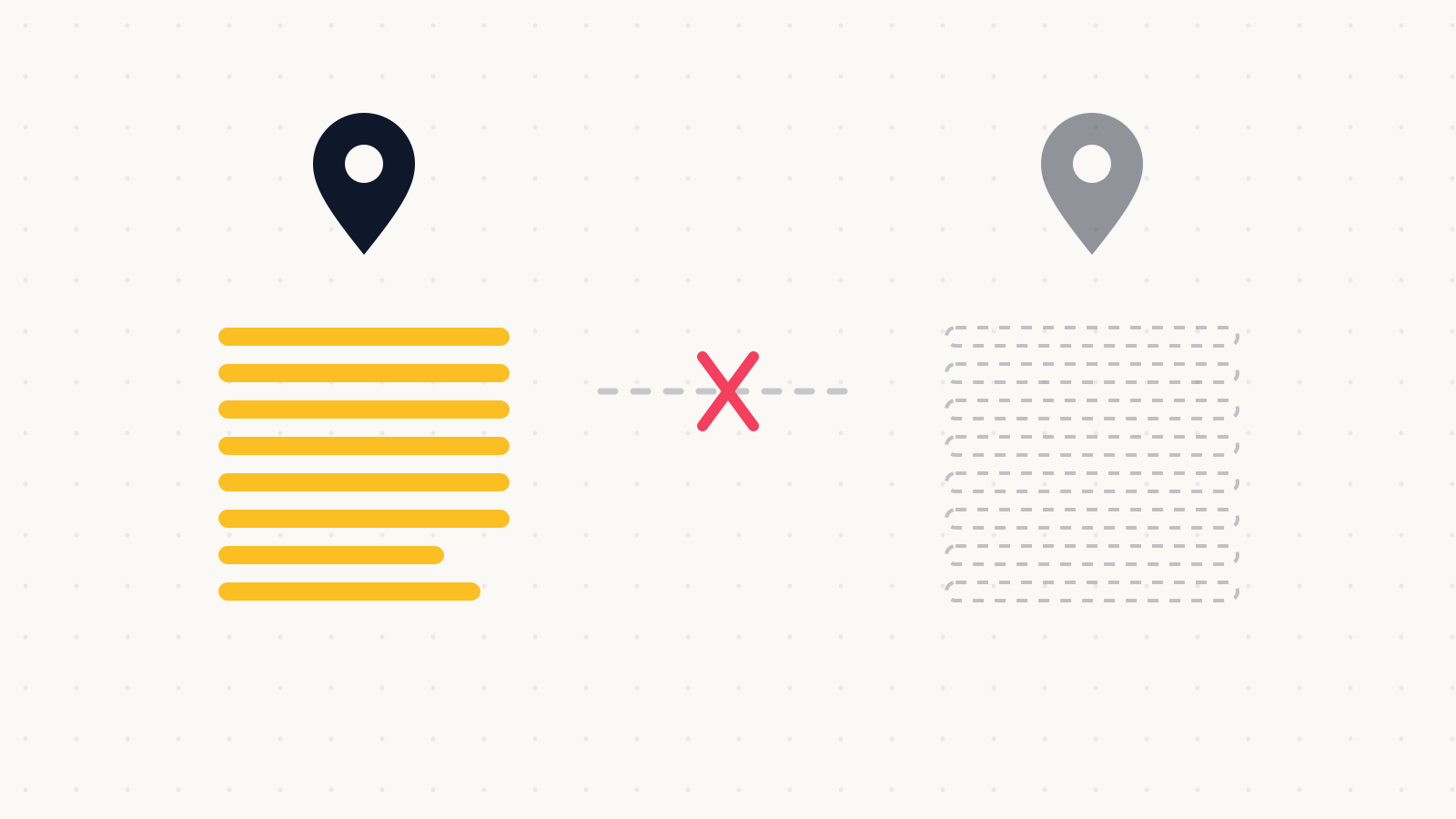
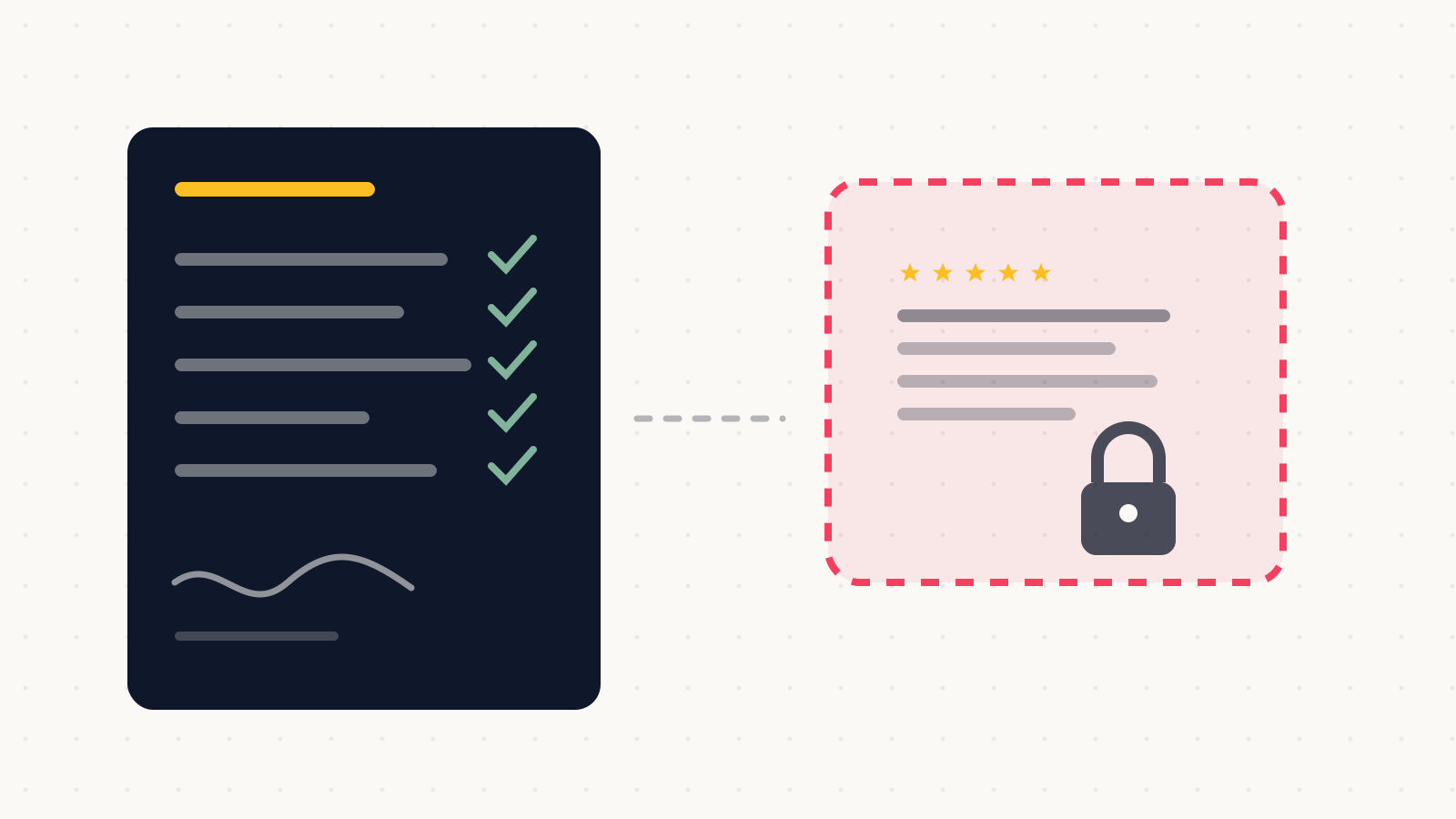
The purchase agreement lists the vans. It does not list the thing that generates the calls.
Reviews are a large part of what a buyer thinks they are getting, and moving them requires an act only the seller can perform, in an order that rules out closing day.
John "Holliday" Mahlow
Founder, Cursive Media
The schedule of assets runs to two pages. Three vans, the compressor and the tooling. The customer list. The trading name.
Nowhere on it is the profile that produces most of the phone calls, and nobody notices until the day the seller stops answering.
What the buyer thinks they are buying
For a local service business, a good deal of the goodwill being paid for is a rating and a pile of reviews built over eleven years.
That is not a sentimental point. It is the thing doing the qualifying before anybody reaches a website, and a business with two hundred reviews and one with none are different businesses commercially, whatever the vans look like. So it is worth knowing exactly how that asset moves, because it does not move with the keys.
The transfer has an order
Google's instruction for a sale is direct. If you want to transfer ownership of your business, transfer primary ownership of the Business Profile to the new owner, which ensures all of the business information, reviews included, is maintained.
Two constraints sit underneath that sentence and they decide the timing. Only the primary owner can transfer primary ownership, so this is an act the seller performs and nobody else can. And the person receiving it is chosen from the profile's existing user list, which means the buyer has to be added as an owner or manager first. You cannot hand it to somebody who is not already there.
Then the clock. A new owner or manager must wait seven days before they can manage all the features, and during that window they cannot remove other users or change primary ownership themselves.
Which rules out the obvious plan. This is not a closing-day task, because on closing day the buyer is not on the profile yet and the seven days have not started.
What happens when the order is wrong
The seller signs, hands over a laptop, and moves to Florida.
Now the only person who can perform the transfer has no reason to think about it again, and the buyer is left with a profile they do not control and reviews they cannot manage. The route back is requesting access from whoever holds it, which works and takes as long as it takes, and is a strange position to be in about an asset you have already paid for.
The tempting shortcut makes it worse. Creating a fresh profile for the new ownership starts you at zero reviews and puts a second listing on the same location, which Google's guidelines tell you not to do and which then has to be untangled.
The rest of the list
Once you are looking, the profile is not the only thing missing from the schedule.
The domain, and specifically the registrar account and the DNS rather than a promise that the website will keep working. The hosting alongside it. The phone number, which for a business whose number is painted on every van is closer to a trading asset than a utility. Then the email addresses and the CRM, with whatever customer data is sitting inside it. The social accounts. The list of what a business should own in its own name is the same list a sale has to move, which is a good reason to have written it long before you ever want to sell.
A seller who has that document ready is doing themselves a favour rather than the buyer one. Assets you cannot demonstrate control of are assets a buyer will discount.
Both sides, before signing
If you are buying, ask to see the Business Profile's people and access list before the money moves, and get yourself added as an owner while the seller is still motivated to be helpful. Seven days from that moment, not from closing.
If you are selling, do the same work early for a plainer reason. Everything on that list is value you are being paid for, and every item you cannot hand over cleanly is an argument waiting to happen at the worst point in the process.
If you have a sale in progress on either side and want the digital half of it mapped, book a strategy call. It is a short conversation and a much better one to have before signing than after.
John "Holliday" Mahlow
Founder, Cursive Media