What actually counts as a lead?
Reporting tools count events. You count people who might buy. Nobody agreed which one the word meant, and one dropdown quietly multiplies the difference.
John "Holliday" Mahlow
Founder, Cursive Media
- Read time
- 5 min read
- Written
The monthly report opens with a number, and the number is up. Across the table sits somebody who answered the phone all month and does not recognize the month being described.
Neither of them is lying. They are using one word for two different things.
What a tool means by it
Software counts events. A form was submitted. A call lasted longer than the threshold somebody set. A button was tapped.
Every one of those is real and countable, which is precisely why it ends up in the report. What the software cannot do is judge, and judgement is the entire content of the owner's definition, which is not an event at all. It is a person who might buy something.
What is sitting in the gap
The distance between the two numbers is not empty. It is populated, and the population is consistent across every trade.
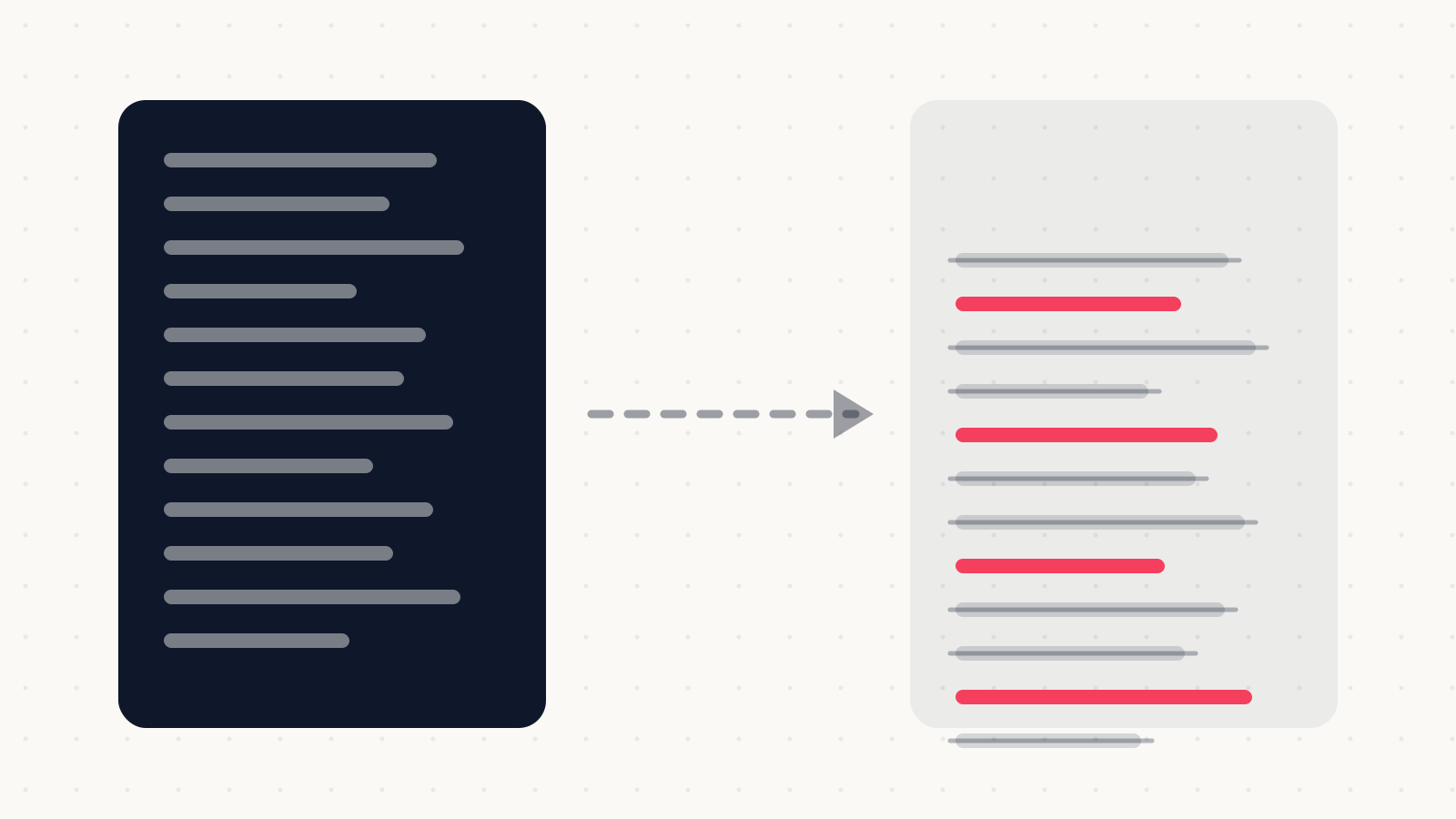
Form spam. Somebody asking whether you are hiring. A supplier. An existing customer calling about an invoice, which is a call worth taking and not a new anything. Somebody two hours outside the area you serve. Somebody who wants the one job you specifically do not do. A wrong number that lasted forty seconds because the person was polite about it.
None of that is a reporting failure. It is what happens when you count contacts and call the total leads.
The setting that multiplies it
If any of the number comes from Google Ads, there is a dropdown worth looking at before you argue about anything else.
Conversion actions have a count setting with two options. Every conversion counts every conversion that happens after an ad interaction, which suits a business tracking sales volume. One conversion counts only one per ad click, and Google's own documentation says this benefits lead generation businesses, because usually only one unique lead per ad click adds value.
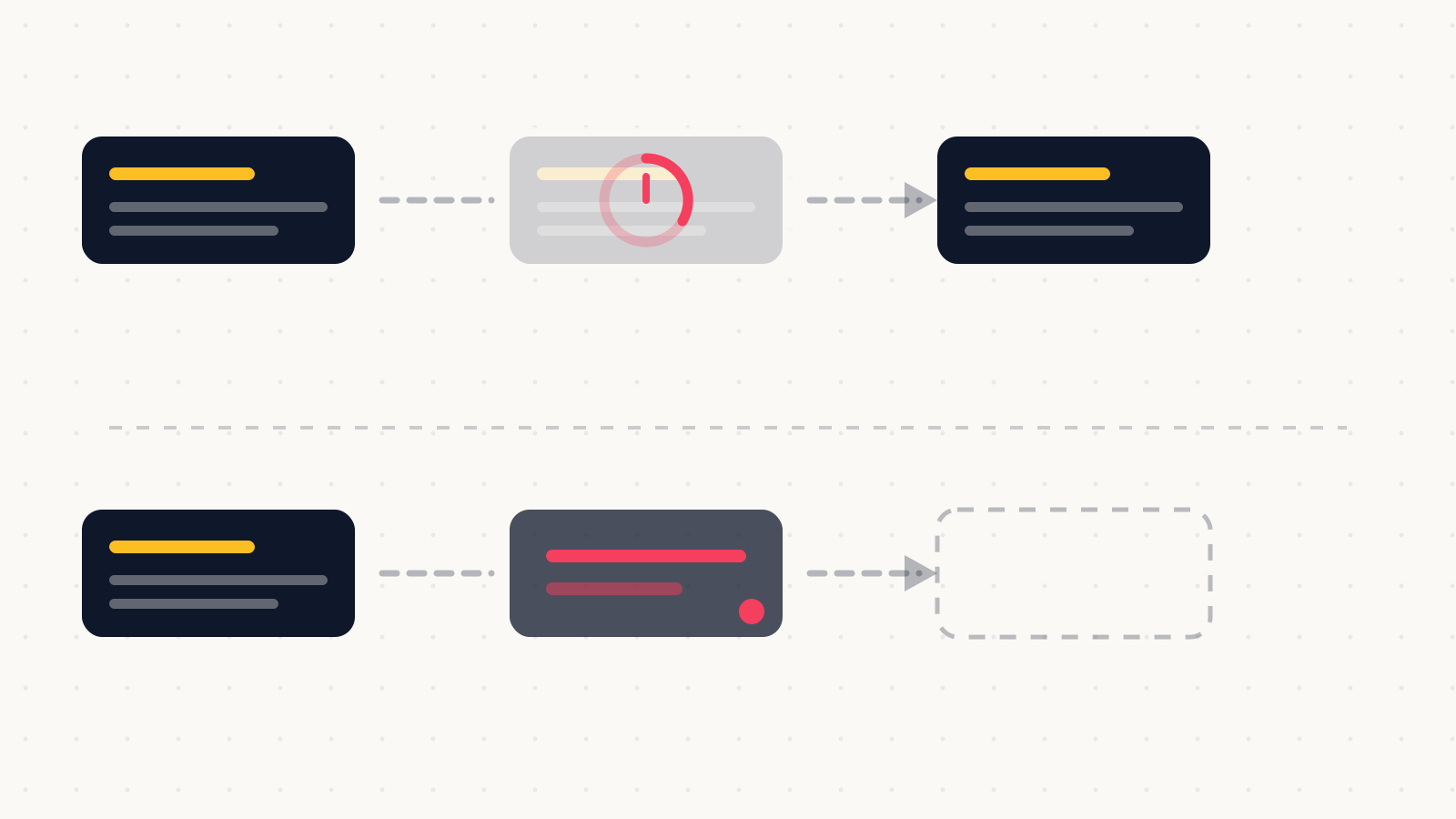
Left on the first option, a single person who clicks, submits the form, then calls you an hour later can appear more than once. Nobody did anything wrong and the total is now describing enthusiasm rather than customers. It is a checkable setting and the fix takes a minute.
It is the same problem as the wrong searches
Read that list of junk contacts again and notice what it is.
Job applicants, people wanting to do it themselves, out-of-area callers, the adjacent trade. Those are the exact categories you would be excluding if you were reading the search terms your ads actually matched. The inflated lead count and the wasted ad spend are one problem viewed from opposite ends, which is useful, because fixing the front end shrinks both numbers at once and shrinking the number is the goal.
Ask for the list, not the total
A total cannot be examined. A list can.
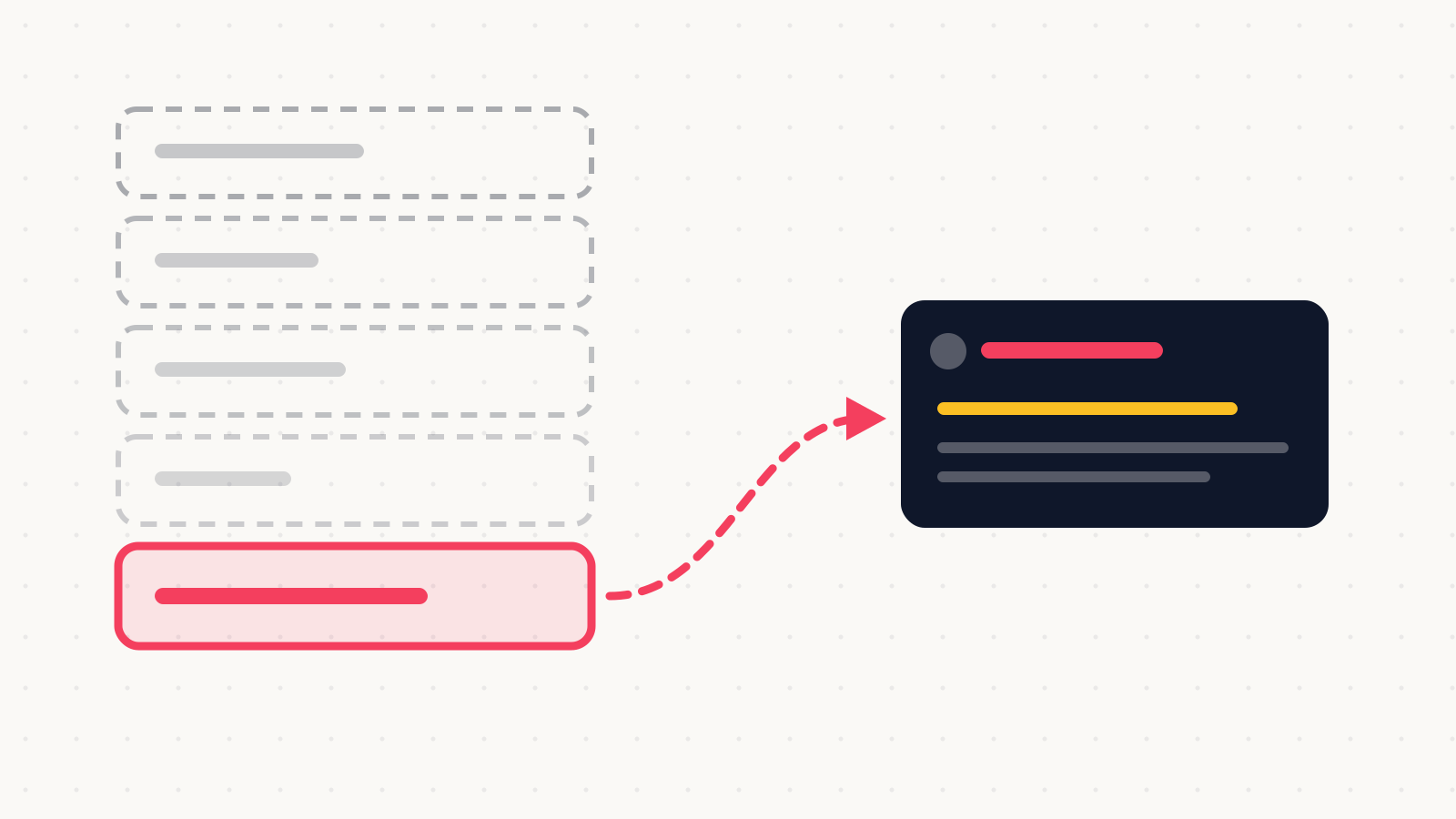
So ask to see the actual contacts behind the figure for one month, and go through them with the only test that means anything: would I have quoted this. Not whether it was a real human, not whether it was technically an inquiry. Whether you would have written a price. That number is your lead count, and everybody involved should be reporting against it from then on.
Agree it in writing at the start of an engagement and most of these conversations never happen. It also does something quieter and more useful, which is force a conversation about who you actually want, and that tends to improve the targeting more than any bid adjustment.
The rest of the honest-numbers work is in the five things worth checking before any agency call, and it applies to us as readily as to anybody else.
Counting the thing you would have quoted, rather than every event, is what the analytics work fixes. If you are being reported a number you do not recognize, book a strategy call and bring one month of it. Going through the list is usually the whole diagnosis.
John "Holliday" Mahlow
Founder, Cursive Media