Quote follow-up: what to send when they go quiet.
Silence after a quote is rarely rejection. It is usually a decision that stalled, and "just checking in" is the message least likely to restart it.
John "Holliday" Mahlow
Founder, Cursive Media
The estimate went out on Tuesday. It was thorough, the price was fair, and the customer seemed keen on the phone.
Then nothing.
Most businesses read that silence as a no and move on, which is understandable and usually wrong. A no takes two seconds to send. Silence generally means something else got in the way.
What is actually happening in the gap
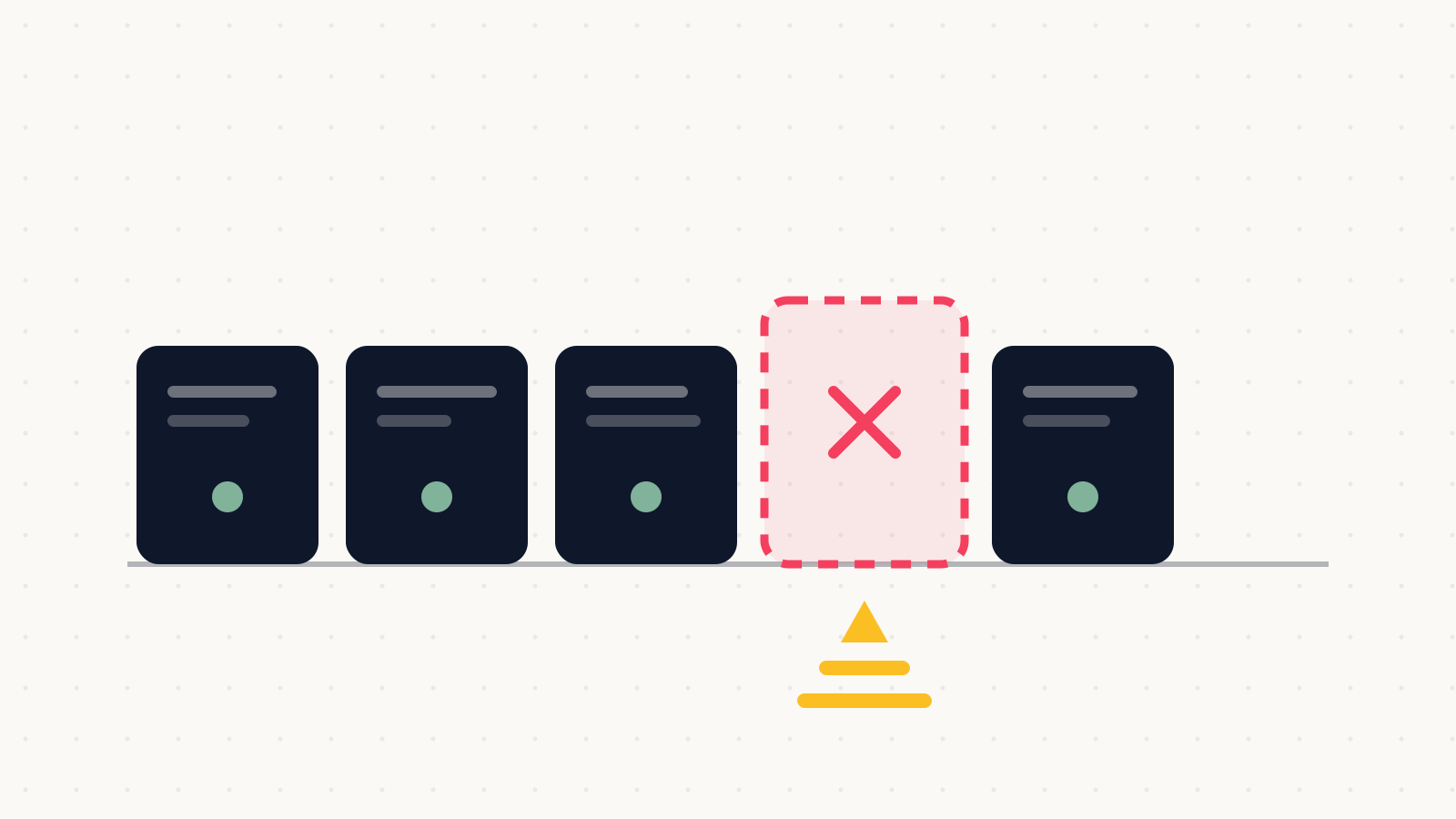
The decision almost never sits with the person you spoke to alone. There is a spouse who has not seen the number yet, or a business partner, or a landlord. Somebody is waiting on a second quote to compare against. Somebody meant to reply on Thursday and it is now the following Wednesday and replying has become slightly embarrassing.
None of those are rejections. All of them look identical from your side, which is the whole problem, and none of them resolve themselves without a nudge from you.
Why "just checking in" fails
It is the default message in every trade, and it puts all the work back on the customer. They have to remember what you quoted, retrieve how they felt about it, work out what is blocking them, and compose a reply explaining all three. That is a chore, and chores get postponed.
It also carries no new information, so there is no reason for this Tuesday to go differently from last Tuesday.
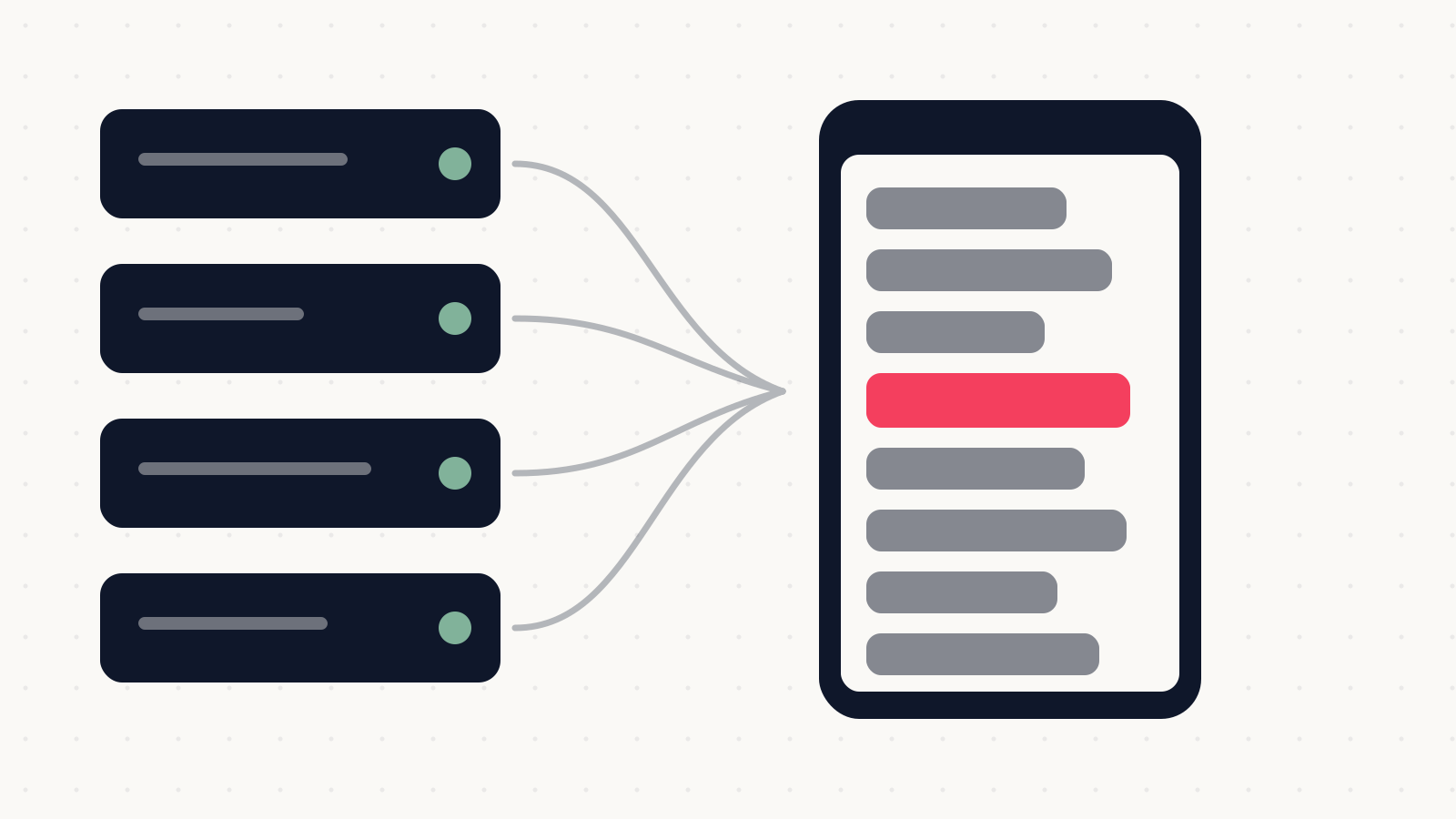
Automating that message does not fix it. It sends the same chore on a schedule, which is how a business ends up annoying the customers who were going to buy anyway. The automation is only ever as good as the thing it repeats.
Give each message a job
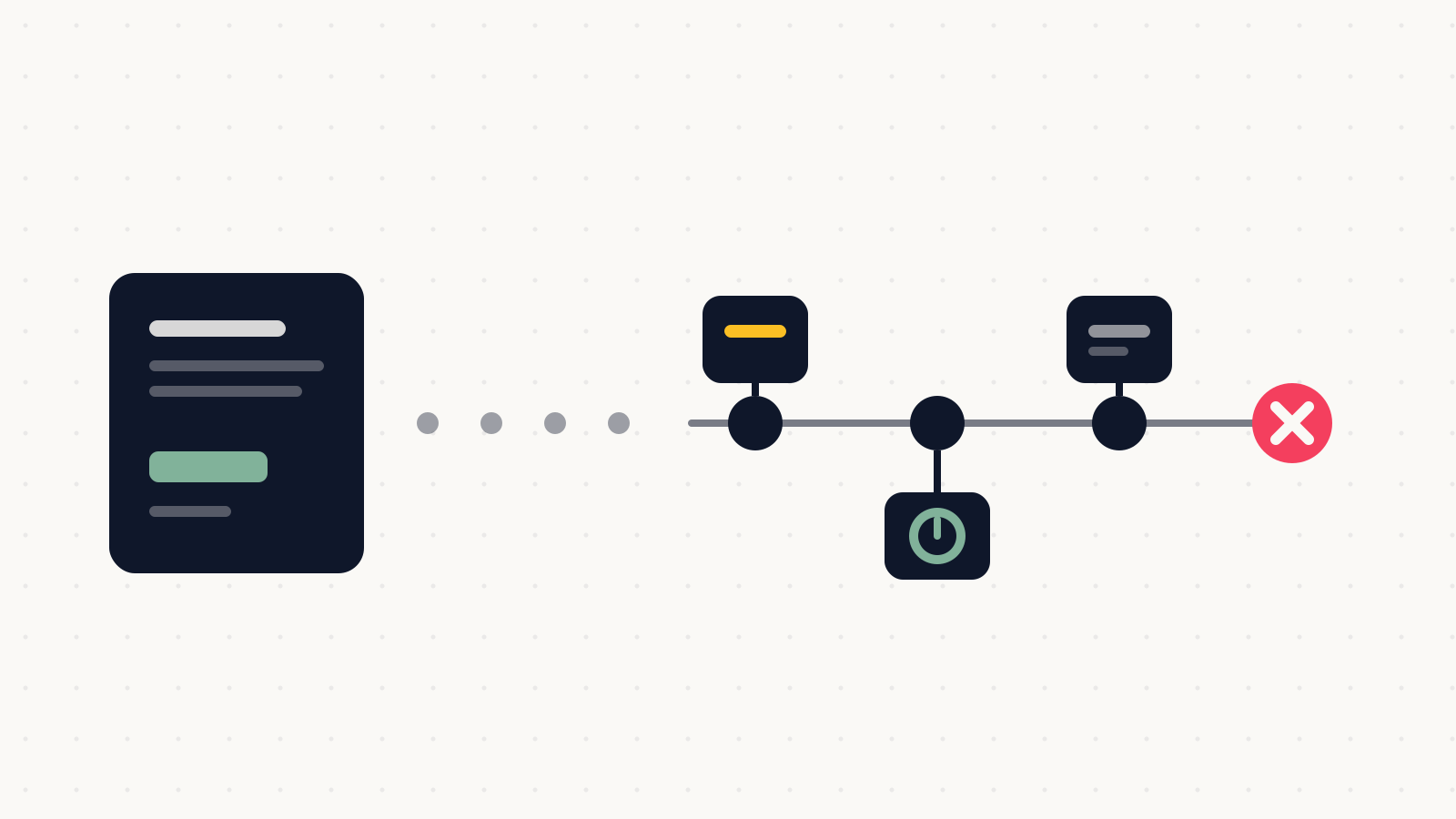
A follow-up earns its place by supplying something the customer did not have when they went quiet. That means the sequence should not be three copies of one message at different intervals; each one should remove a different obstacle.
The first is usually about the number. Say what the price includes and, more usefully, what a cheaper version would look like if budget is the sticking point. Naming that cheaper option is the part almost everybody skips, presumably because it feels like bidding against yourself. In practice it converts the people who quietly assumed you only do the expensive version and were too polite to ask. They are not comparing you against a competitor at that point. They are comparing you against doing nothing for another year, and a smaller number is what makes that a real choice.
The second is about time: when you could start, and what happens to that slot if they wait. Not manufactured scarcity, which everyone can smell by now. Real scheduling, which is genuinely useful to somebody trying to plan around a week without a working bathroom.
The third is about the awkwardness. Make it trivially easy to say no or not yet, because a large share of your silent quotes belong to people who would happily tell you where they stand if replying did not feel like a confrontation.
The sequence has to end
Most automated follow-ups never stop, or stop only when somebody manually notices. Both are worse than a sequence with a designed ending.
The closing message is also the one that performs. Something plain along the lines of: we have not heard back, so we will close the file and free up the slot, and do get in touch if the timing changes. It gives permission to disengage, and it reliably produces replies from people who have been meaning to answer for two weeks, because it is the first message with a consequence attached.
Three touches over about two weeks, then out. If somebody has not responded to a fourth message, a fifth is not the missing ingredient.
The compliance floor under all of this
If any of this goes out by text, it sits inside rules that apply regardless of how reasonable your intentions are. You need prior express consent you could actually evidence, an opt-out in the first message, and a sequence that genuinely stops when somebody uses it. The registration and consent side is worth understanding before you build the automation rather than after.
If it goes out by email, the quote itself has to arrive at all, which is a question about authentication rather than about writing. A follow-up sequence chasing an estimate that landed in spam is an expensive way to look persistent.
What beats every sequence
Sending the quote faster.
The gap between the visit and the estimate is where most of this damage happens. It is the window in which a competitor quotes and the enthusiasm cools, and by the end of it the job no longer feels urgent to anybody. A same-day number beats a well-designed follow-up sequence attached to a quote that took nine days, and it costs nothing except deciding that estimates go out before the end of the day they were promised. That is a scheduling decision rather than a marketing one, which is probably why it keeps being treated as somebody else's problem.
The follow-up is insurance on the ones that still stall. It is not a substitute for being the first useful answer somebody received.
A follow-up that runs whether or not anybody remembers is the automation work, and quotes are usually where it pays first. If estimates are going out of your business and disappearing, and nobody is quite sure how many, book a strategy call. Building the sequence is straightforward; working out which stage is actually leaking is the part worth doing first.
John "Holliday" Mahlow
Founder, Cursive Media